Attics, soffits and winter heat loss
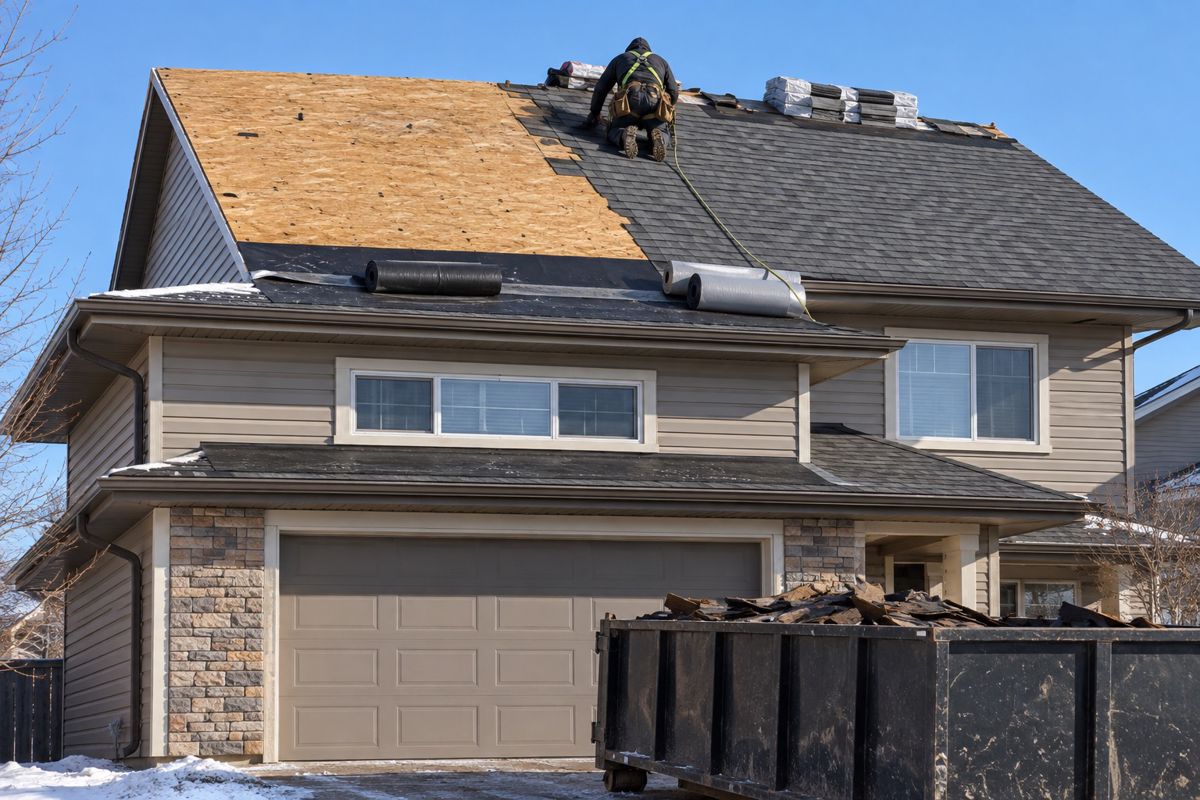
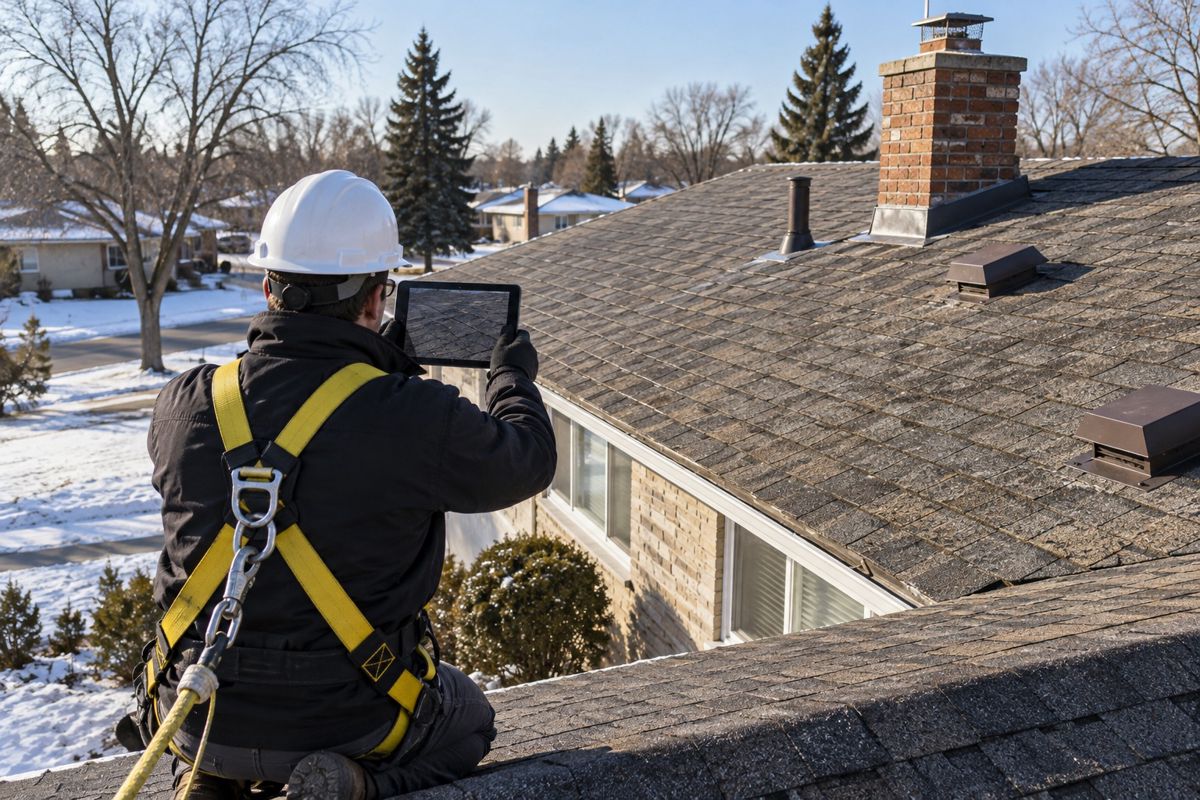
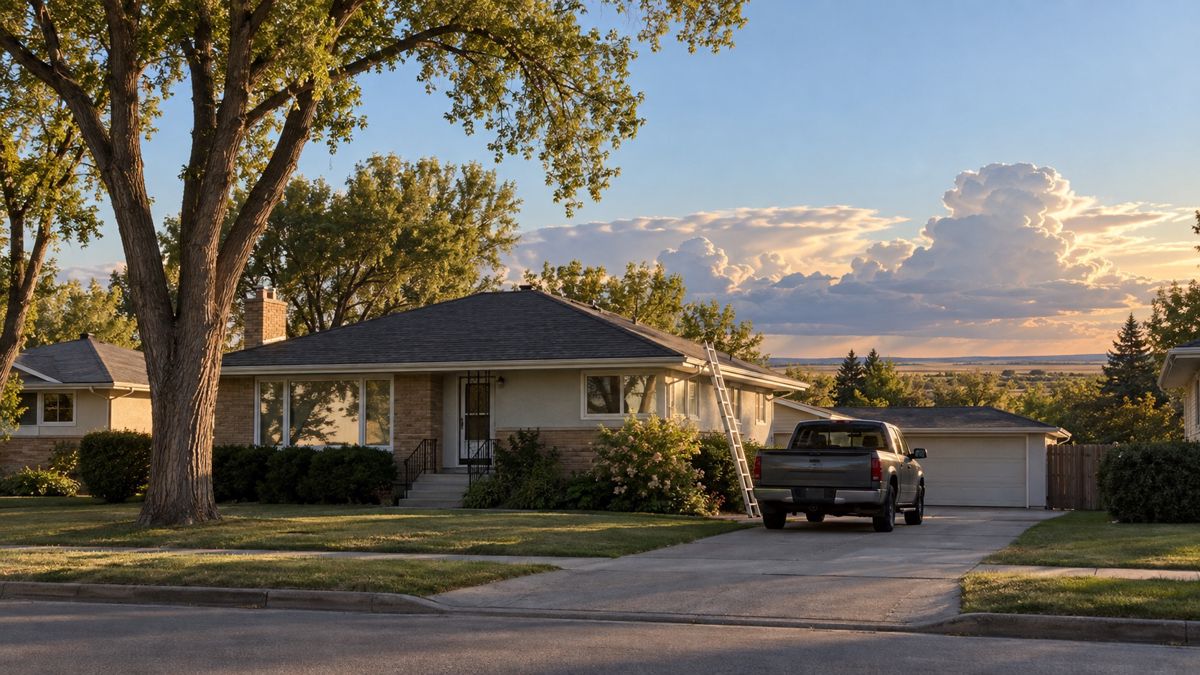
Houses of this style often have attic insulation that was thinner when the home was built, and some have been topped up unevenly since. Gaps around pot lights, bathroom fans and the attic hatch let warm, moist air rise into the roof space. In a cold winter, that air condenses as frost on the underside of the deck and drips when the weather warms.
Soffit vents may also be blocked by insulation or paint. Without air moving from soffit to ridge, the roof stays warm in the middle and cold at the eaves, which is the recipe for ice dams. Fixing those paths often does more for a leaky roof than repeated patching.